

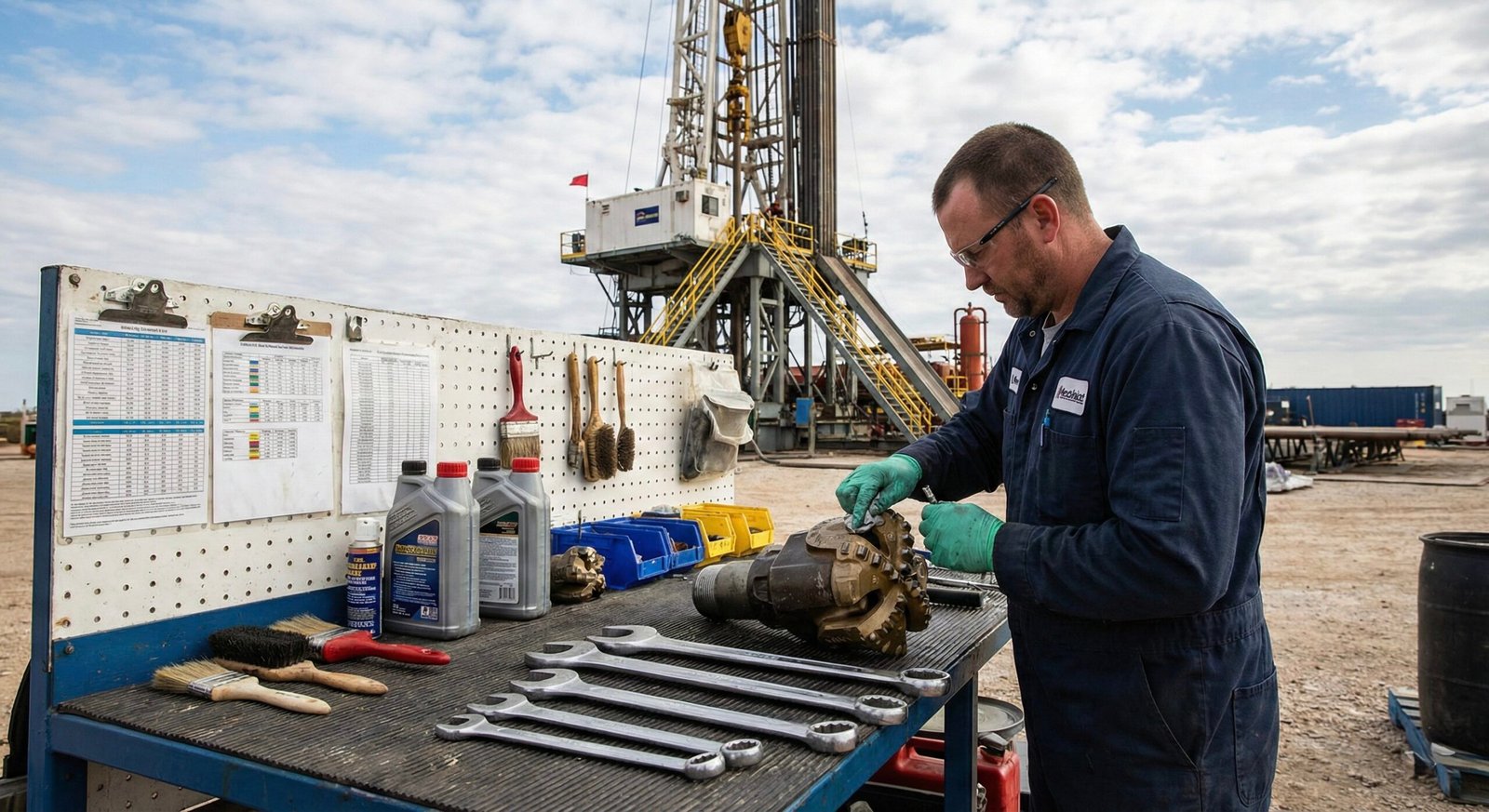
Best Practices for Maintaining Drilling Tools to Improve Site Efficiency
Drilling tools are subjected to extreme forces, abrasion, and impact during foundation and piling operations. Proper maintenance of these tools is essential not only for extending service life but also for improving site efficiency, safety, and overall project performance.
This article outlines best practices for maintaining drilling tools used in piling and foundation construction.
Why Drilling Tool Maintenance Matters
Well-maintained drilling tools:
- Deliver consistent drilling performance
- Reduce unexpected breakdowns
- Minimize downtime and project delays
- Lower replacement and repair costs
- Improve safety on site
Neglecting maintenance can result in rapid tool wear, reduced drilling efficiency, and higher operational costs.
Regular Inspection of Drilling Tools
Routine inspection helps identify early signs of wear or damage.
Key areas to inspect include:
- Drilling teeth and carbide tips
- Tooth holders and welding blocks
- Buckets, core barrels, and cutting edges
- Casing joints and connection points
Worn or damaged components should be replaced promptly to avoid secondary damage.
Proper Cleaning After Each Operation
Drilling tools should be cleaned after use to remove soil, slurry, and debris.
Best practices include:
- Washing tools with water after operation
- Removing hardened soil or concrete residues
- Ensuring moving parts are free of obstructions
Clean tools are easier to inspect and less prone to corrosion.
Monitoring Wear Parts and Consumables
Wear parts such as drilling teeth and carbide blocks should be monitored closely.
Tips for managing wear parts:
- Track operating hours and ground conditions
- Replace worn teeth before performance drops
- Use appropriate teeth for specific soil or rock types
This helps maintain consistent drilling efficiency.
Correct Storage and Handling
Improper storage can lead to corrosion and mechanical damage.
Recommended storage practices:
- Store tools in dry, protected areas
- Use racks or supports to prevent deformation
- Avoid stacking tools improperly
Proper handling reduces the risk of accidental damage.
Lubrication and Protection
Components such as bearings, joints, and moving parts require proper lubrication.
Ensure that:
- Lubricants meet manufacturer specifications
- Seals and protective covers are intact
- Lubrication intervals are followed consistently
Training and Operator Awareness
Tool maintenance is most effective when operators are trained to recognize wear patterns and potential issues.
Encourage operators to:
- Report abnormal wear or performance
- Follow correct installation and removal procedures
- Use tools within their design limits
Conclusion
Maintaining drilling tools is a critical aspect of efficient foundation construction. Regular inspection, proper cleaning, timely replacement of wear parts, and correct storage practices help maximize tool life and site productivity.
By implementing these best practices, contractors can reduce downtime, improve drilling efficiency, and ensure safe and reliable foundation operations.